How a US Manufacturing License for Tallow Products Works
The short answer. A US manufacturing license lets an American facility make an established tallow product line inside the United States, using the owner's specifications, formulas and setup support, in exchange for agreed terms and exclusivity.
ON THIS PAGE · 4 MIN
Most facilities that look at a license focus on the equipment. That is rarely the hard part, and the reason is at the end of this note.
Why tallow brands license manufacturing
Tallow skincare grew faster than the supply of tallow made for skin. A rendering plant can produce good food fat and still turn out a balm that smells of beef or goes grainy in a warm truck. The gap is a cosmetic-grade specification: odor, color, free fatty acids and oxidation limits that every lot must meet.
A manufacturer that has already closed that gap can either ship from where it is or let a partner make the same material closer to the buyer. For US brands, a US-made source removes export freight and shortens restock times. For the owner, a license grows the product line in a market without building a second plant.
What the license usually covers
- The specification. The limits every lot must meet, and how each one is tested.
- The process system. The production steps behind the specification, shared under confidentiality once the agreement is signed.
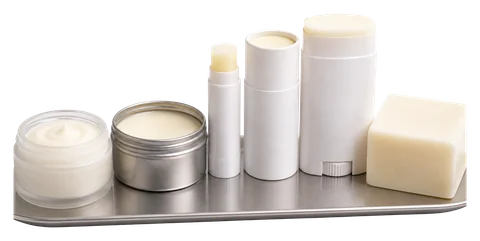
- Product formulas. Finished products such as shelf-stable balms, so the partner sells more than raw material.
- Setup and training. The owner's team helps set up production and train staff until the first lots pass.
- Ongoing support. Lot reviews, troubleshooting and formula updates.
- Territory and exclusivity. Usually one partner per country, so the partner is not competing with a second licensee.
What it does not cover: the partner's own facility registration. Under MoCRA, facilities that manufacture or process cosmetics for distribution in the United States register with the FDA and renew every two years. A facility making food-grade tallow registers separately as a food facility under 21 CFR 1.225, and that registration carries no FDA fee. Each registration belongs to the facility that does the work.
Who a license suits
- A US renderer or meat processor that already makes edible tallow and wants a cosmetic grade with a proven specification.
- A cosmetic contract manufacturer that wants a tallow line without years of trial batches.
- A brand with its own production space that wants to own its supply.
Brands that want finished product now, without running a facility, are better served by private label. Our manufacturing process guide explains that route, and the Formulation Buddy gives an estimate in a few minutes.
The part partners underestimate
The equipment is the easy part. Kettles, filters and filling lines can be bought. A license does not sell a recipe. It sells a specification someone has already proven.
What takes years is knowing which results matter, setting the limits, and holding every lot to them with records that prove it. A partner that renders tallow already has the hardware. What it lacks is the proven limits and the habit of rejecting a lot that misses them. That discipline is what a buyer pays for when they ask for a certificate of analysis, and it is the real asset in the agreement.
This is also why the first call in any licensing conversation is about the partner's quality records, not its floor space.
How Grass Fed Essentials approaches it
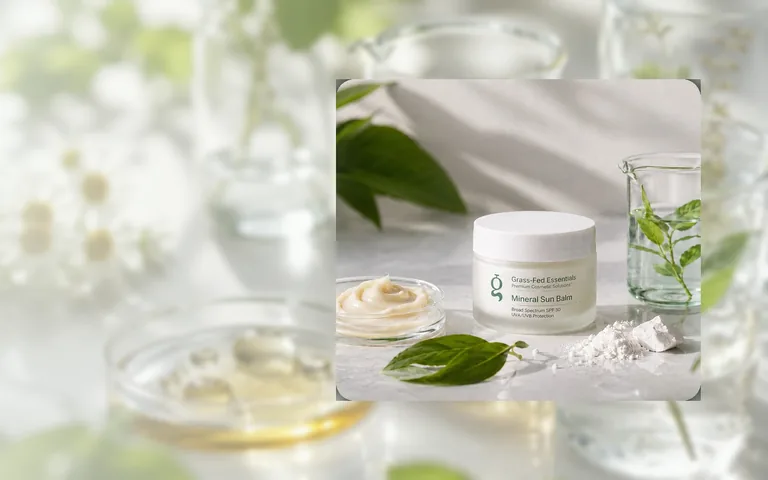
Grass Fed Essentials makes cosmetic-grade grass-fed tallow, food-grade tallow and finished tallow skincare, with production in South Africa and US sales through Grass Fed Essentials LLC. We are looking for one US partner to make the same tallow and products inside the United States, under an exclusive license with setup and production support from our team.
The details are on our US manufacturing license page. For a broader view of what to check in any production partner, see how to choose a tallow skincare manufacturer.
Questions founders ask
Is a manufacturing license the same as a franchise?
No. A franchise licenses a brand and a way of selling to consumers. A manufacturing license covers how a product is made, so the licensee produces to the owner's specification and sells to its own customers or under agreed terms.
Does the licensee need its own FDA registration?
Yes. Under MoCRA a facility that manufactures or processes cosmetics for US distribution registers itself, and a facility handling food-grade tallow registers as a food facility. The license does not transfer the owner's registration.
Who owns the formulas after the license is signed?
The licensor keeps ownership. The licensee receives the right to use them for the products and territory in the agreement, for as long as the agreement runs.
Evidence
Primary sources this note rests on. Where a number appears above, it comes from one of these.
- Registration and Listing of Cosmetic Product Facilities and Products · U.S. Food and Drug Administration, 2026
- Modernization of Cosmetics Regulation Act of 2022 (MoCRA) · U.S. Food and Drug Administration, 2025
- FDA Provides Summary Data on the Registration and Listing of Cosmetic Product Facilities and Products · U.S. Food and Drug Administration, 2025
- 21 CFR 1.225: Who must register under this subpart? · Legal Information Institute, Cornell Law School, 2025
- Questions Regarding Whether Food Facilities are Required to Pay Registration Fees · U.S. Food and Drug Administration, 2024
Want to see what your own tallow product would look like?
Pick a product, size, oil and scent. The Formulation Buddy gives you a theoretical starting formula, a draft US ingredient list and an estimate in about two minutes.