Make an established tallow platform recognizably yours.
Private label sits between an unchanged white label product and a fully original formulation. It allows agreed changes to an established manufacturing platform while retaining a more efficient development route.
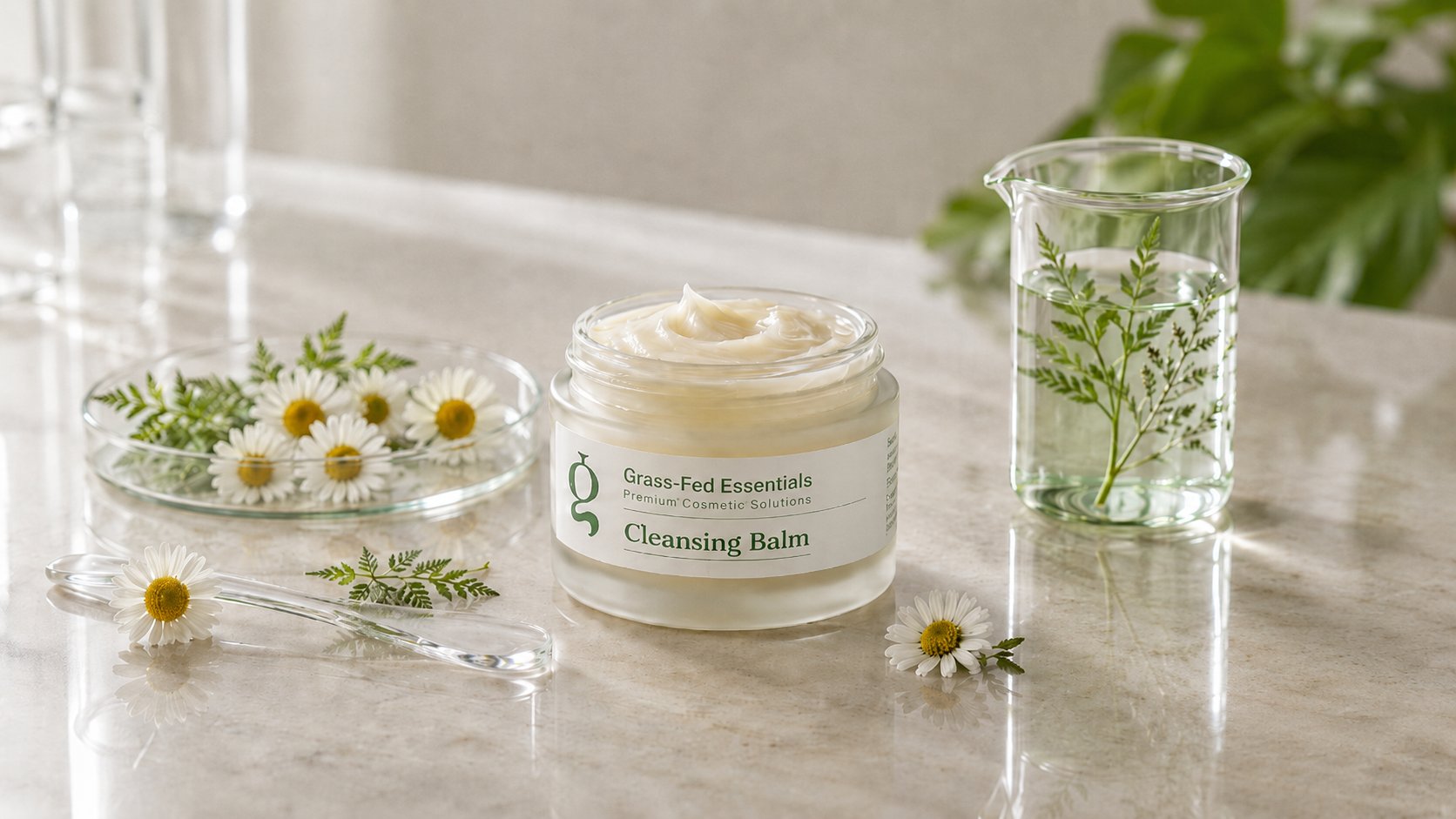
A more distinctive product without rebuilding every technical decision.
Private label begins with an established product or manufacturing platform. The brand then defines the changes that matter to its customer and positioning.
Depending on the formula and commercial scope, those changes may include scent, texture, selected oils, selected botanicals, product format, size, packaging or presentation. Each change must be reviewed because even a small adjustment can affect manufacturing, stability, labeling, claims, price and timing.
Private label is suited to brands that need distinction without a full custom development program.
Change the decisions that create meaningful distinction.
A new ingredient can change more than the ingredient list.
It can change viscosity, melt profile, oxidation risk, color, odor, texture, fill temperature, packaging behavior, supply lead time, label content, claims and cost. Private label development protects the efficiency of the established platform by changing only what can be changed responsibly.
Targeted development around an established foundation.
Separate the underlying platform from the changes made for the client.
A private label agreement should state who owns the original platform, the client specific changes, the manufacturing process, the artwork and any confidential information. It should also define exclusivity, transfer rights and the consequences of ending the manufacturing relationship.
Tell us what must feel unique and what can remain established.
Share the product platform, intended customer, requested changes, packaging direction, market, volume and launch objective. We will determine whether the project belongs in private label or requires full custom development.