Develop an original product around a commercial brief, not a collection of ingredients.
Custom formulation turns a defined product objective into an original formula, manufacturing process and commercial plan. The work progresses through feasibility review, ingredient selection, samples, refinement, packaging assessment, scale up, testing and production.
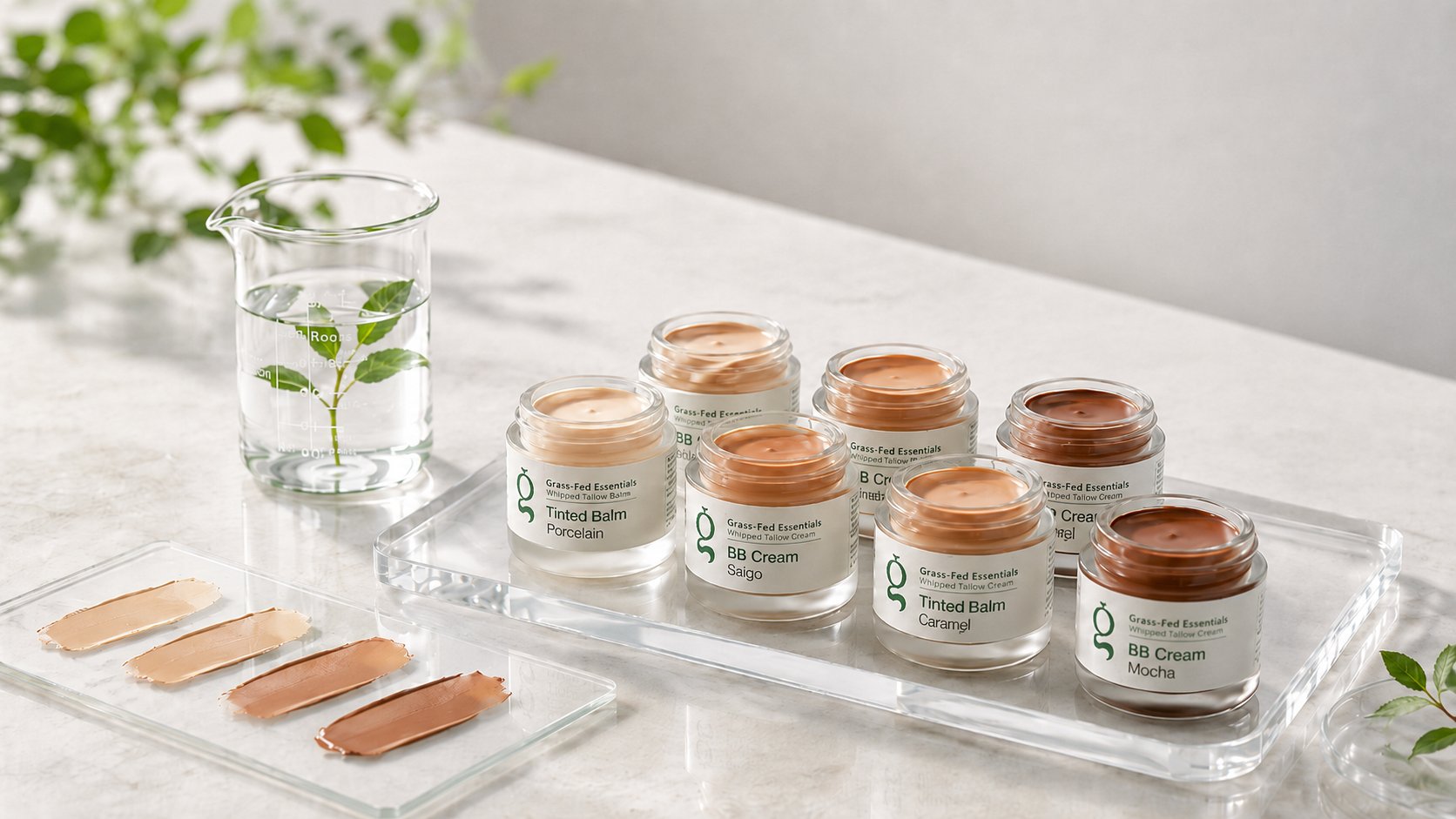
The brief is the first formulation tool.
A useful brief explains what the product must do for the customer, how it should feel, where it will be sold, what it may claim, how it will be packaged and what the commercial model can support.
Beginning with a long ingredient wish list often creates conflict between texture, stability, claims, cost, packaging and production. Beginning with a clear product objective allows ingredients to be selected for a reason.
The formula, process, packaging and claim must agree.
A structured sequence from concept to commercial manufacture.
A natural product should not be made less natural in the name of control. It should be made more deliberate.
Our objective is to protect the useful character of the tallow and selected oils while designing a formula and process that can meet the agreed sensory, packaging and commercial requirements. We avoid unnecessary complexity, but we do not use simplicity as an excuse to ignore stability, oxidation, contamination, repeatability or claims.
Ownership must be written before development creates value.
The development agreement should define formula ownership, manufacturing rights, license rights, exclusivity, confidentiality, transfer rights, process information and the effect of unpaid amounts or termination. The phrase custom formulation does not settle those issues by itself.
Bring us a clear product ambition and the commercial facts around it.
Tell us who the product is for, how it should feel, what it should contain, what it must avoid, how it will be packaged, where it will be sold and what volume the business expects to support.